© Karel Calitz 2026
September 24, 2026
Declared, Not Whispered: What Praise Singers Can Teach a Website
A story has a beautiful ability. Tell someone what happened and you've given them information. Tell them a story and you've given them something they can carry around: repeat at a braai, hum in the shower, pass on to their kids without quite meaning to.
Declared, Not Whispered: What Praise Singers Can Teach a Website
That gap, between information and something worth carrying, is what this piece is actually about.
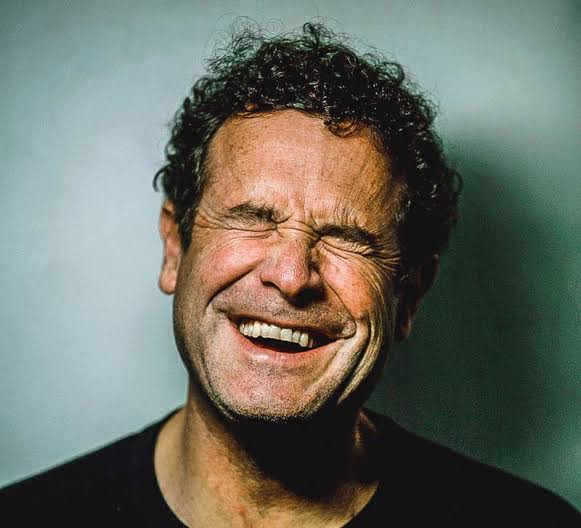
Johnny Clegg is where I'd start.
He didn't write about Zulu migrant workers from the outside looking in. At fourteen, he met a street guitarist named Charlie Mzila outside a corner café in Bellevue and asked to be taught. Mzila spent two years showing him masikande guitar and indlamu dance, then took him into the migrant hostels: a door Clegg later said he was handed, not one he found on his own. A few years later, Sipho Mchunu, a night watchman with a guitar and zero patience for English, became his writing partner in Juluka. Clegg said he learned Zulu "through humour and music," sitting with Mchunu until the language stopped needing translation and started being felt.
By the time "Impi" retold the 1879 Zulu victory at Isandlwana, or "Scatterlings of Africa" turned displacement into a myth wide enough for a whole country to stand inside, Clegg was narrating from somewhere he'd earned a place. The people in those songs weren't subjects he studied; they were teachers, friends, co-writers. "Impi" got banned from the radio, and the lyrics were only half the reason: a multiracial band performing together was, at the time, illegal.
That same instinct, a story as the vehicle and feeling as the cargo, shows up everywhere songwriters take the craft seriously. The Corrs built entire albums out of Irish family history. John Mayer's best songs live in one room, one conversation, one particular Tuesday, never "love" floated as an abstraction. Give the feeling somewhere specific to stand, and it arrives on its own. You never have to announce it.
A much older habit
None of this started with songwriters, and none of it belongs to any one culture. Izibongo, praise singing, is still performed today by artists like Zolani Mkiva, whose whole craft is standing up and declaring, loudly and in public, what someone did, so it isn't forgotten. Storytellers like Gcina Mhlophe have spent decades keeping oral history alive, treating a well-told story as the glue holding a community's memory together. Spoken word poets like Lebo Mashile carry testimony straight from page to stage, performance doing what a plain statement never quite manages.
What Clegg absorbed from Mzila and Mchunu sits in this same lineage. In traditions like these, a story does the work an idea can't do for itself: it's how that idea survives long enough to be repeated by someone who wasn't even there the first time.
My own version: Spies en Plessie
Not every tradition needs a straight face to earn its keep. I grew up on Spies en Plessie: Jan Spies and P.G. du Plessis, with performers like Tolla van der Merwe delivering spoken monologues straight to a live audience. That's the vertelsel, the told story, timing doing all the work a script would normally do.
Underneath the jokes it did something generous: it let us see ourselves. The real version, accent and all, laughing at the bits of being Afrikaans that were a little too recognisable to deny. That's its own kind of being known. A solemn history can preserve a culture. So can holding up a mirror and being brave enough to laugh at what's staring back.
Where this lands on a website (because of course it does)
Story and feeling were never rivals. The plot is simply what gives the feeling somewhere specific to stand instead of drifting past unnoticed, and a website has exactly the job these traditions already solved:
- Praise singing puts someone else's name on the record. Online, that's letting the visitor be the hero of your case studies, not a supporting character in your own highlight reel.
- Oral history is the origin story, told properly: how you actually got here, rather than a mission statement dressed up to look like one.
- The vertelsel is permission to have a tone. A website too polished to ever be funny or specific is missing a register every one of these traditions kept.
There's research behind this too, not just a tidy comparison. A study of Dove's branded video storytelling, published in the Journal of Retailing and Consumer Services, found that plot, character, and authenticity, in that order and ahead of gloss or clever copy, are what actually pull an audience in. The same three ingredients doing the same work whether it's a rooftop room in Bellevue or a Sunday night in front of the television.
So, does this hold up?
An article about storytelling carries an obvious risk: talk about stories for a thousand words and forget to hand the reader one. So: Isandlwana, Charlie Mzila's rooftop room, a mirror held up on Afrikaans television on a Sunday night. Specific enough to stick, or did it just slide past?
That's the test worth borrowing for your own website. Not whether you've mentioned your values, but whether a stranger could repeat one true, specific thing about you five minutes after leaving the page. Praise songs get repeated. Vertelsels get repeated. Impi got banned because it was too memorable to leave alone.
Being forgettable was never on the list of things a story was for.